

Common Reasons for High Energy Bills During Summer
Seeing a spike in summer power costs can be frustrating. If you have been searching for high energy bills HVAC answers, you are not alone. In warm, humid weather, your cooling system works longer to pull heat and moisture out of the air. The key is to understand what drives those longer run times and what a licensed professional can do to restore efficient performance.
Your air conditioner does not work in isolation. Thermostats, ductwork, insulation, and even the blower motor that also moves warm air in winter all affect summer efficiency. Preventive care helps keep everything in tune. That is why many homeowners pair spring AC service with a fall air conditioning tune-up visit, so airflow, controls, and safety checks are squared away before extreme weather hits.
High Energy Bills HVAC: Why They Spike In Summer
Summer in Anne Arundel County often brings stretches of heat and sticky humidity from the Chesapeake Bay. Your system has to remove heat and moisture, so it may run longer than on a dry day with the same temperature. If parts are worn, airflow is restricted, or coolant levels are off, those run times climb even more. The result is a higher bill without a cooler house.
Homes with older insulation or leaky ducts see bigger jumps. The cooled air you paid to produce slips into the attic or crawl space. Your thermostat keeps calling for more cooling, and the cycle repeats. The longer this continues, the more stress builds on motors, capacitors, and compressors.
Dirty Air Filters Reduce Airflow And Drive Up Costs
A clogged return filter starves your system of the air it needs to do its job. Air stalls across the evaporator coil, and the system runs longer trying to make up for lost airflow. In some cases, the coil can get too cold, which cuts efficiency even more as frost begins to form. A licensed technician can evaluate airflow, static pressure, and the filter type that fits your system.
Over time, reduced airflow strains the blower and can allow dust to coat coils and motors. That adds resistance and heat, which shortens component life. A pro service visit includes cleaning components as needed and confirming that the filter, blower speed, and duct sizing work together for efficient cooling.
Aging Or Oversized Systems Waste Energy
Every HVAC system loses efficiency with age. Internal surfaces get dirty. Moving parts wear. Controls drift. An older unit may still cool, but it often uses more electricity to do it. Oversized systems, common in additions and older homes that were later remodeled, create a different problem. They cool the air fast but do not run long enough to manage humidity well. That leaves rooms cool and clammy, which tempts you to keep lowering the thermostat and burning more power.
During a professional assessment, your technician can look at your home’s load needs, check capacity, and review whether the system’s condition matches your comfort goals. If replacement planning makes sense, a right-sized unit with modern controls can help stabilize future bills, but many homes see strong gains from repairs, cleaning, and calibration alone.
Refrigerant Problems Force Longer Run Times
Your AC relies on the correct amount of refrigerant to move heat out of the home. If the charge is low due to a leak, the system runs longer to reach setpoint and may never feel truly comfortable on humid days. Ice on lines, hissing near the indoor unit, or short cycling can signal trouble. Ignoring refrigerant issues can damage your compressor and raise energy use.
Refrigerant work should always be handled by a licensed HVAC technician. The visit will include leak detection, repairs where possible, and charging to the right level for the system. Getting this right helps your equipment remove heat and moisture efficiently, which is key to lowering summer bills.
Leaky Ducts And Poor Insulation Let Cool Air Escape
In many Maryland homes, ducts pass through attics, garages, or crawl spaces. If there are gaps, loose connections, or thin insulation, a lot of cooled air can be lost before it ever reaches a room. The system then runs longer to make up the difference. Leaky ducts can waste a large share of cooled air before it reaches rooms.
Professionals test for these losses with static pressure checks and visual inspections. Sealing, insulating, or rerouting sections of duct can help the system deliver air evenly. When ducts are balanced and tight, rooms feel more consistent, the thermostat stops chasing hot spots, and your bill reflects the improvement.
Thermostat Settings And Schedules Matter
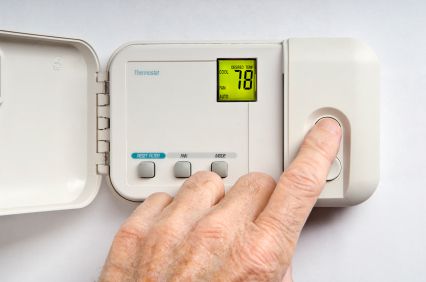
The thermostat is the brain of your comfort system. If it is placed in direct sun, near a heat source, or in a drafty hallway, it can misread the true temperature. That causes the system to cycle on or off at the wrong time. A thermostat that misreads temperature can make your AC run when it shouldn’t.
Modern programmable and smart thermostats help match cooling to daily routines. If your schedule has changed, a technician can review your current settings and sensor placement, then suggest adjustments or upgrades that fit your home. Calibration and correct location go a long way toward stable comfort and lower energy use.
Coastal humidity around the Chesapeake Bay often lingers into the evening, so systems in Anne Arundel County must remove both heat and moisture. If you notice icing on refrigerant lines or frequent short cycles, pause cooling and have a licensed pro inspect the system to prevent wear and higher bills.
Home Habits That Quietly Raise Your Bill
Small choices add up when the weather stays hot. Long oven use in the afternoon, wide-open blinds on sunny windows, and doors that do not seal well can increase the cooling load. If your system is already struggling with airflow or refrigerant charge, these added loads can push run times even higher.
This is where a whole-system view helps. Your HVAC professional can point out quick building improvements and comfort strategies that do not require equipment changes. Pairing those with a tuned system keeps your energy use in check when the heat drags on.
When Professional Maintenance Makes The Difference
Preventive care restores lost efficiency and helps catch small issues before they become breakdowns. During a seasonal visit, a certified technician focuses on safety, airflow, and performance. The work is tailored to your equipment, the layout of your home, and local weather patterns.
- Check and clean indoor and outdoor coils to support heat transfer.
- Verify blower performance and electrical components for steady, efficient operation.
- Confirm thermostat calibration and sensor placement for accurate control.
- Inspect duct connections and visible runs for leaks or damage.
- Evaluate refrigerant levels and operating pressures for proper cooling.
Many of these checks overlap with heating season needs. That is why homeowners who plan a fall heating tune-up services appointment often see steadier comfort and fewer surprises year-round. Keeping the blower, controls, and airflow healthy benefits both heating and cooling.
How To Read The Signs Before A Summer Breakdown
Energy waste often shows up as telltale changes at home. If you catch them early and call a professional, you protect the system and avoid marathon run times that inflate your bill.
- Rooms feel cool but damp, or the air feels sticky even when the thermostat says you are at setpoint.
- Return vents whistle or some rooms get little airflow while others are drafty.
- Outdoor unit runs for a very long time, or cycles on and off rapidly without cooling well.
- Ice forms on refrigerant lines, or you hear unusual hissing or buzzing from equipment.
- Thermostat readings jump around or do not match how the space feels.
If any of these sound familiar, a trained technician can test the system and building factors to pinpoint the root cause. That targeted repair or tune can restore efficiency faster than replacing parts at random. For general guidance on tackling high energy bills hvac concerns, start with a licensed HVAC contractor who understands local homes and weather.
Older Homes, Additions, And Seasonal Realities
Many area homes include additions over garages or finished attic spaces. These zones often have duct runs that are long or hard to insulate, and they can create hot spots that drive up cooling demand. Window exposure on the south and west sides can add even more heat on bright days. Your HVAC professional will consider these details when testing the system and recommending improvements.
Along the waterways and in shaded, tree-lined neighborhoods, humidity can linger even when the temperature drops a bit. That is why proper refrigerant charge and coil condition matter as much as the thermostat number on a summer night. With the right balance, your system can pull moisture down to a comfortable level without overworking.
Get Ahead Of The Heat In Anne Arundel County
Reliable comfort comes from a healthy system and smart planning. If your summer bill keeps climbing or comfort feels inconsistent, it is time for a professional evaluation. A local pro can test airflow, refrigerant levels, and controls, then explain clear next steps for your home. You can also learn how routine care, like a fall heating tune-up service visit, supports steady year-round efficiency across your HVAC system.
For trusted help lowering high energy bills and improving AC efficiency, contact Brumwell’s Instant Home Services at 410-360-0002 today. We are ready to inspect your equipment, address the true cause, and get your comfort and costs back where they belong.